
Dog cancer – development, symptoms, diagnosis, treatment, immunotherapy, and lifestyle
Dog cancer is unfortunately common, and for many dog owners it is a frightening diagnosis. Still, it is important to know that different types of tumors behave in different ways, and early detection, proper treatment, and immune support can significantly improve a dog’s outlook.
What exactly is dog cancer?
A dog’s body produces millions of new cells every day to replace old or damaged ones. This process is completely natural and is an essential part of life. However, errors can occur during cell division, and when that happens, abnormal, mutant cells may form.
The immune system’s job is to recognize and destroy these faulty cells. This defense mechanism works mainly through lymphocytes and so-called NK cells, which continuously “patrol” the body in search of cells that are no longer functioning normally. If the immune system works properly, these abnormal cells disappear before they can cause harm.
Dog cancer develops when these faulty cells escape the body’s defenses. They continue to divide, multiply, and eventually form a mass of tissue, or tumor. Reduced immune function may also play a role in the development of a cancerous growth, another dog tumor, or other neoplasm in dogs.
The process of dog cancer development


Dog cancer does not appear overnight. Instead, it develops over time through several stages. Every day, the body produces millions of new cells, and faulty, mutant cells regularly appear among them. That in itself is natural, because the immune system is designed to detect and eliminate them.
- Formation of cell defects: genetic errors can occur during cell division, and environmental hazards such as toxins and radiation, genetic predisposition, and aging can all increase their frequency.
- The immune system’s response: in a healthy body, lymphocytes and NK cells recognize and destroy abnormal cells.
- The consequence of failure: if the immune system does not function properly, the faulty cells multiply, divide uncontrollably, and form tumors.
So dog cancer is not the result of a single event. It is a longer process during which abnormal cells gradually multiply and spread within the body.
The stages of tumors
The progression of cancer is defined by so-called stages. This classification considers not only the size of the tumor, but also the extent of spread and the presence of metastases. Determining the stage is crucial for both the treatment plan and the prognosis.
The exact staging system can vary depending on the tumor type, so veterinary oncology does not apply the same criteria to every canine tumor.
- Stage I: the tumor is small and affects only the specific tissue. It is often symptom-free, and if detected in time, it can usually be removed surgically.
- Stage II: the tumor is growing, but it has not yet spread beyond the surrounding tissue. At this stage, surgery may still bring complete recovery in many cases.
- Stage III: the tumor is larger and may also affect nearby lymph nodes. Treatment becomes more complex, and the risk of recurrence is higher.
- Stage IV: metastases develop in other organs, such as the lungs, liver, or bones. At this stage, the main goal of therapy is to improve the dog’s quality of life.
Metastasis develops when cancer cells detach from the original tumor and then travel to other organs through the blood or lymphatic circulation. That is why early detection is so important. The sooner the diagnosis is made, the better the chance of successful treatment.
What symptoms may indicate dog cancer?
The signs of dog cancer are often subtle, and at first they may be barely noticeable. The most common early symptoms include unexplained weight loss, loss of appetite, fatigue, and the appearance of a palpable lump. A tumor in dogs, another form of malignancy, or another type of canine cancer can also cause many additional warning signs. We cover these in detail on our page about dog cancer symptoms.
How is dog cancer diagnosed?

- physical examination,
- laboratory tests (blood, urine),
- ultrasound and X-ray,
- CT or MRI,
- biopsy and histopathological analysis.
Conventional treatment options
The most important and most widely used methods for treating dog cancer are surgery, chemotherapy, and radiation therapy. These approaches aim to directly reduce or remove the tumor. Although they can effectively destroy cancer cells, they often do not address all of the underlying factors involved in disease development, including impaired immune function.
Immunomodulatory therapy and natural support
-
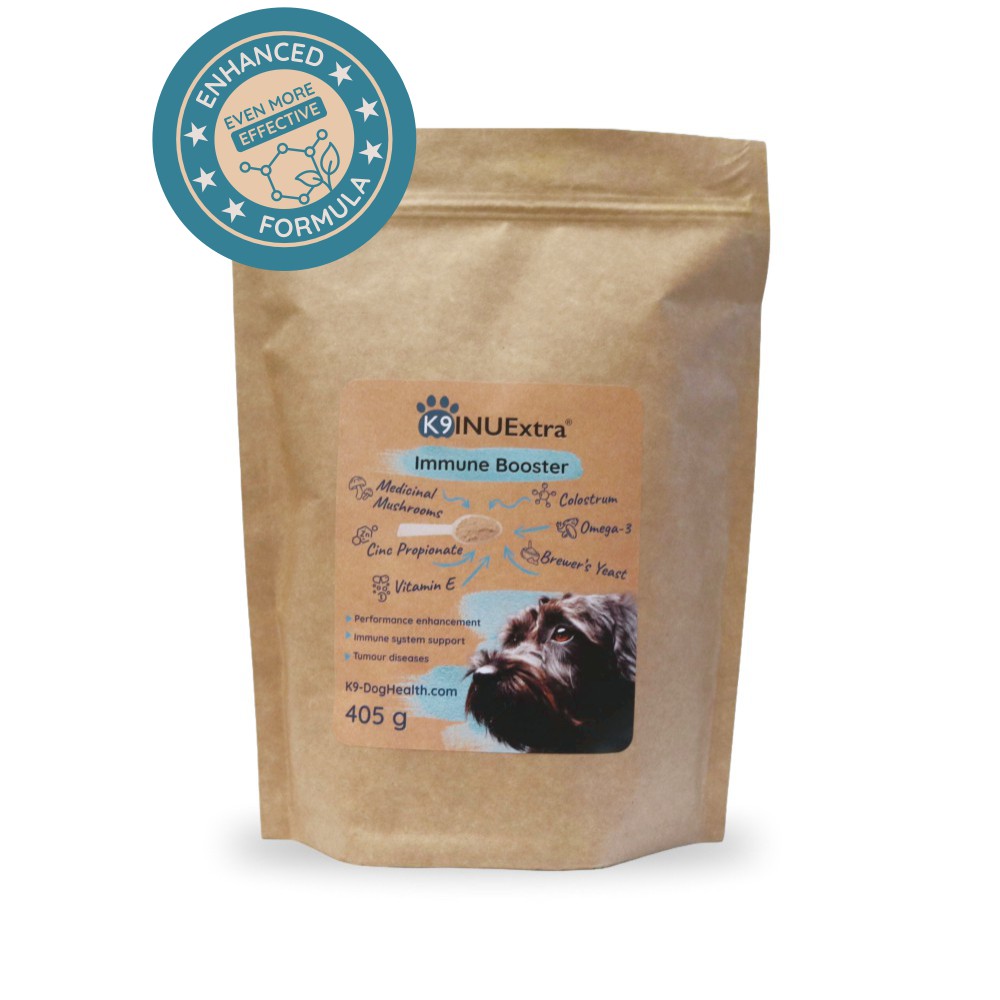

K9 INUExtra®
- Premium immune support with medicinal mushrooms and colostrum
- Anti-inflammatory support with curcumin, omega-3 and BioPerine
- Stronger gut flora and improved digestion with brewer’s yeast and targeted prebiotics
- Antioxidant cellular protection with vitamin E, zinc and natural active compounds
€64,93 (ex.VAT)


The goal of immunomodulatory therapy is to strengthen the dog’s defense system alongside conventional treatments, so the body itself can fight dog cancer cells more effectively.
- reducing or removing the size of the tumor with conventional methods,
- stimulating the immune system in a targeted way with natural active compounds.
Anticancer effects of medicinal mushrooms
Medicinal mushrooms – such as Turkey tail, Reishi, Shiitake, Maitake, and Cordyceps – contain polysaccharides, especially beta-glucans, that have been shown to activate immune cells. They increase natural killer (NK) cell activity, support macrophages, help inhibit metastasis formation, and also have anti-inflammatory and antioxidant properties.
The K9 INU®, K9 INUExtra®, K9 Immunity™, and K9 Immunity Plus™ contain extracts from several medicinal mushrooms that work synergistically to strengthen the body’s natural defenses.
Colostrum and transfer factors
Colostrum, or first milk, is especially rich in immunological compounds. The transfer factors it contains support cell-to-cell communication and help train the immune system to recognize abnormal cells. While colostrum alone is not enough to overcome dog cancer, it can significantly enhance the effects of medicinal mushrooms and other immunomodulators.
Other natural supplements against dog cancer
- Omega-3 fatty acids: EPA and DHA have anti-inflammatory effects, may slow the progression of a dog tumor, and support cell health.
- Curcumin: the active compound in turmeric, known for its antioxidant and anticancer properties.
- Antioxidant vitamins: vitamins such as C and E help protect cells against oxidative stress, which may contribute to cancer development.
- Probiotics: by supporting gut flora, they strengthen the immune system, which plays a key role in defense against tumors in dogs.
Nutrition and diet for dogs with cancer
Proper nutrition is crucial for dogs with cancer. Dogs living with cancer often have increased energy and nutrient needs, so diet must support not only strength and body condition, but also immune function. According to veterinary recommendations:
- High-quality protein: good-quality animal protein sources such as poultry, fish, and eggs help preserve muscle mass because the body can use them efficiently.
- Restricting carbohydrates: it is advisable to avoid rapidly absorbed carbohydrates, because cancer cells readily use sugars as an energy source.
- Omega-3 fatty acids: EPA and DHA from fish oil or krill oil help reduce inflammatory processes and may support the effectiveness of anticancer therapies.
- Antioxidant vitamins: vitamins E and C help protect cells against oxidative stress, which often accompanies cancer-related processes.
These basic principles can help guide every owner, but the exact diet must always match the dog’s condition and treatment plan. We have collected more detailed dietary recommendations in our article about dog cancer and nutrition.
Prevention, lifestyle, and the owner’s role
We cannot always prevent dog cancer, but we can do a lot to make a dog’s body stronger against disease. A balanced diet, high-quality supplements, regular exercise, and stress reduction all contribute to a healthy immune system. Avoiding environmental hazards such as cigarette smoke and chemicals is just as important. In addition, annual veterinary screening exams create an opportunity to detect disease early.
If a dog has already been diagnosed with canine cancer, then improving quality of life becomes the priority. A comfortable bed, physiotherapy, massage, or even hydrotherapy can help maintain mobility and overall well-being. Veterinarian-supervised pain management is essential, and a calm, loving environment is just as important so the dog can feel safe and supported.
However, none of this works without the owner’s active involvement. Giving medications correctly, attending follow-up examinations, following the prescribed diet, and continuously monitoring the dog’s condition are all part of a caring owner’s responsibility. The most important things an owner can give are attention, care, and love. Without them, even the most modern treatments cannot be truly effective.
Dog cancer – new therapeutic directions
Veterinary oncology continues to advance. Promising research is ongoing in the areas of monoclonal antibodies, gene therapy, and vaccine-based treatments. Although these approaches are still in the experimental stage, they may open new possibilities for treating dogs with cancer in the future.
Frequently asked questions about dog cancer
❓ Can dog cancer be prevented?
Complete prevention is not possible, but early spaying or neutering, a balanced diet, regular exercise, and avoiding toxic substances can significantly reduce the risk.
❓ At what age is cancer most common in dogs?
Age is one of the biggest risk factors. Older dogs are more commonly affected because immune function declines and more abnormal cells can develop over time.
❓ What symptoms may indicate cancer?
Palpable lumps, unexplained weight loss, loss of appetite, fatigue, coughing, bleeding, or changes in behavior can all be warning signs.
❓ How is dog cancer diagnosed?
The veterinarian performs a physical examination, diagnostic imaging such as ultrasound, X-ray, CT, or MRI, and histopathological testing through biopsy.
❓ What treatment options are available?
The most common methods are surgery, chemotherapy, and radiation therapy. Immunomodulatory therapies and natural supplements can also help as supportive options.
❓ What is the quality of life of a dog with cancer?
Proper treatment, effective pain relief, a supportive diet, and a calm environment can greatly improve the quality of life of a dog with cancer.
❓ How long can a dog live with cancer?
This depends on the type of cancer, the stage of the disease, and the chosen therapy. With early detection and proper treatment, many dogs can live for years with a good quality of life.
❓ Is cancer painful for dogs?
Not every tumor causes pain, but in many cases inflammation, pressure, or metastases can lead to discomfort or pain. That is why early detection and proper pain management are so important.
❓ How can you tell if a lump is dangerous?
Fast-growing, irregularly shaped, ulcerated, bleeding, or painful lumps are especially suspicious. Even so, any new lump should be checked by a veterinarian, because you cannot reliably tell from appearance alone whether it is benign or malignant.
❓ Can dog cancer spread?
Yes, malignant tumors can metastasize, which means they can spread to other organs and lymph nodes. That is why staging and early treatment are so important.
❓ When should you contact a veterinarian immediately?
Seek veterinary attention as soon as possible if your dog develops a rapidly growing lump, severe pain, breathing difficulties, persistent loss of appetite, bleeding, collapse, or a rapid decline in overall condition.
If you notice symptoms that may point to dog cancer, do not delay a veterinary examination. Early detection, accurate diagnosis, and targeted immune support can make a real difference in treatment options and quality of life.
More about types of dog cancer
- Osteosarcoma in dogs
- Hemangiosarcoma in dogs
- Dog lymphoma
- Dog mammary tumor
- Mastocytoma
- Dog brain tumors
Important: This article is for informational purposes only and does not replace veterinary examination or treatment. Always consult your veterinarian for an accurate diagnosis and the most appropriate therapy.
References:
- Regan, D., Guth, A., Coy, J., & Dow, S. (2016). Cancer immunotherapy in veterinary medicine: Current options and new developments. The Veterinary Journal, 207, 20-28.
- Paris, S., et al. (2020). Beta-glucan-induced trained immunity in dogs. Frontiers in Immunology, 11, 566893.
- Amaral, A. R., et al. (2025). Connection between nutrition and oncology in dogs and cats. Frontiers in Veterinary Science, 12, 1490290.
- Varnosfaderani, S. M., et al. (2024). Potential promising anticancer applications of beta-glucans. Frontiers in Veterinary Science, 11, 10776902.
- Playford, R. J., Weiser, M. J., & Marchbank, T. (2022). Colostrum and transfer factors in animal immune support. Animals, 12(15), 1567.
- Zheng, Z., Tang, W., Lu, W., Mu, X., Liu, Y., Pan, X., Wang, K., & Zhang, Y. (2022). Metabolism and biodegradation of beta-glucan in vivo. Frontiers in Veterinary Science, 9, 889586.
- Fonseca-Alves, C. E., Queiroga, F. L., & Massoco, C. O. (2024). Editorial: New insights in veterinary cancer immunology. Frontiers in Veterinary Science, 11, 1440527.
- Cornell University College of Veterinary Medicine, Riney Canine Health Center. (n.d.). Immunotherapy treatment for dogs. Retrieved September 29, 2025, from https://www.vet.cornell.edu


