
Mast cell tumor in dogs (canine mastocytoma, often shortened as MCT) is one of the most common skin tumors. Many owners first notice what seems like a harmless small lump, yet in some cases it can behave aggressively or trigger systemic symptoms. That is why early recognition and timely veterinary evaluation are important, along with understanding the main treatment options.
What are mast cells?
Mast cells, or mastocytes, are special white blood cells involved in normal immune responses. They are present in many tissues, but they are especially common at the body’s “boundaries” with the outside world – for example in the skin, mucous membranes (respiratory and digestive tract), conjunctiva, and nasal tissues. They help defend against bacteria and multicellular parasites, support wound healing, and they are also key effector cells in allergic processes.
Why can mast cells become a problem?
When the body is exposed to various harmful effects, mast cells produce substances such as histamine. Histamine triggers a reaction similar to allergy symptoms, which “alerts” the immune system. Although these compounds are essential for the body’s normal function, particularly in proper immune response, their overproduction can cause serious problems.
Symptoms of mast cell tumor in dogs
Unfortunately, the exact causes of mastocytoma in dogs are still unknown. It is among the most common malignant skin tumors in dogs, and it is frequently diagnosed in everyday veterinary practice.
It can occur in dogs of any age, sex, or breed, anywhere on the body. However, certain breeds seem to be predisposed to this type of tumor (Beagle, Boston Terrier, Staffordshire Terrier, Fox Terrier, Bulldog, Bullmastiff, Dachshund, Labrador, Schnauzer, American Staffordshire Terrier, Golden Retriever). The likelihood increases with age, usually from 8–9 years onward.
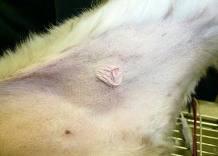
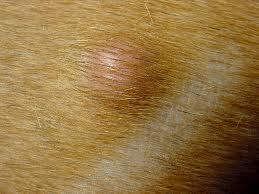
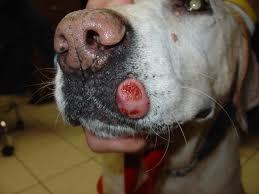
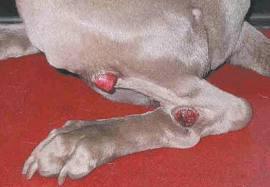
The most typical sign of dog mastocytoma, or mast cell tumor in dogs, is a growth on the skin’s surface. The growth can look very different, from a wart-like bump to an ulcerated sore. Most often, they appear alone, but sometimes several develop side by side, usually on the trunk and limbs, less commonly on the head and neck. Another hallmark of mast cell tumor in dogs is the size fluctuation of the lump – it may grow or shrink from day to day. The tumors are usually not painful, but if they are very swollen or ulcerated, they can become painful.
Owners often describe the tumor as a lump that “changes size from day to day.” This phenomenon is highly characteristic of mastocytoma in dogs and often draws attention to the problem for the first time.
Systemic symptoms of mast cell tumor in dogs
-
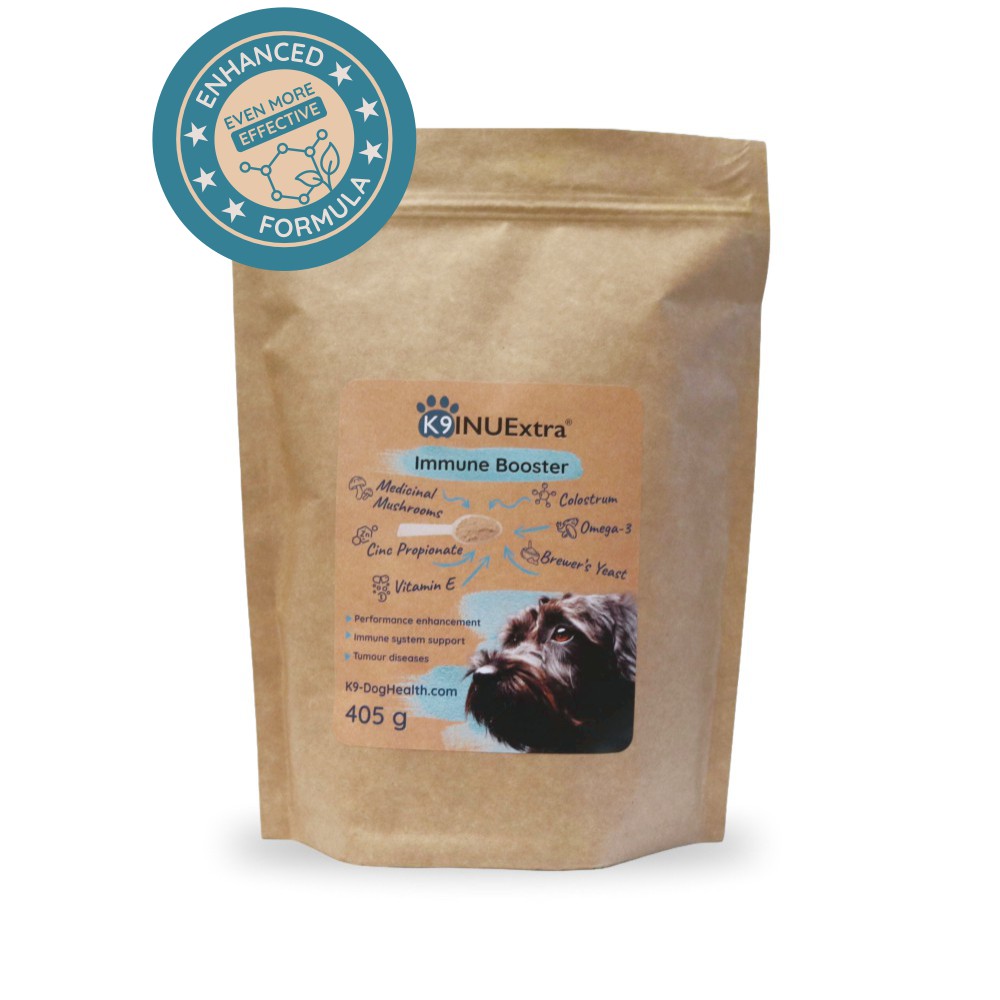

K9 INUExtra®
- Premium immune support with medicinal mushrooms and colostrum
- Anti-inflammatory support with curcumin, omega-3 and BioPerine
- Stronger gut flora and improved digestion with brewer’s yeast and targeted prebiotics
- Antioxidant cellular protection with vitamin E, zinc and natural active compounds
€64,93 (ex.VAT)


Depending on the tumor’s location and size, the dog may experience loss of appetite, vomiting, or even bloody vomit. It can also cause diarrhea and abdominal pain, while dark or black stool may appear because of internal bleeding. In addition, itching and lethargy are common, and some dogs develop coughing and difficulty breathing. The disease can also lead to irregular heart rhythm and blood pressure, and it may result in various bleeding disorders. Finally, delayed wound healing and enlarged lymph nodes often occur as further signs of the condition.
Treatment of mast cell tumor in dogs
Veterinarians most often treat mast cell tumor in dogs by surgically removing the tumor, provided it is well-defined. During the procedure, they usually remove not only the tumor but also some surrounding healthy tissue to improve local control.
Because mast cell tumors can behave unpredictably and may recur depending on grade and margins, veterinarians may recommend additional treatments such as chemotherapy or radiation therapy when appropriate.
Surgery and chemotherapy can remove most of the visible tumor mass, but they do not always address all underlying factors involved in cancer development. While these treatments play a crucial role in reducing tumor burden and improving quality of life, long-term outcomes may also depend on the dog’s overall health and immune function.
When surgery and chemotherapy reduce the main tumor burden, they may relieve physiological stress on the body. In some cases, veterinarians and owners choose to complement conventional treatment with immunomodulatory support (such as K9 INU® and K9 INUExtra®) to help support immune function and overall resilience during recovery.
Supporting the immune system plays an important role not only in mast cell tumor in dogs but also in other cancers (such as lymphoma, osteosarcoma, dog brain tumor, hemangiosarcoma, mammary tumors), as well as in other immune-related conditions. In many cases, long-term outcomes depend not only on medical intervention but also on how effectively the body’s own defense mechanisms can support recovery and disease control.
That is why many veterinarians emphasize that treatment often focuses on prolonging life and maintaining quality of life, especially in more advanced cases. Surgery and radiation therapy are essential to remove or reduce the already developed tumor, while the dog’s overall health and immune function may influence how well the body copes with the disease over time.
For this reason, supporting the immune system alongside veterinary treatments is often considered an important part of comprehensive care.
The importance of immunomodulatory therapy
Alongside surgical and oncological interventions, immunomodulatory therapy is gaining increasing importance. Instead of directly destroying tumor cells, it activates and strengthens the dog’s own immune system. The goal is for the body to recognize and control tumor cells over the long term.
Immunomodulatory supplements such as K9 INU® or K9 INUExtra® use mushroom extracts and other natural ingredients to support cell-level immune response, reduce inflammation, and may help support long-term immune balance as part of a broader care strategy.
The right diet is essential
Cancer is one of the most common causes of death in dogs. According to many experts, long-term inadequate nutrition may contribute to metabolic and immune imbalances that are associated with a higher risk of chronic diseases, including cancer. Dogs are often fed kibble and diets that are relatively high in starch. While dogs can digest carbohydrates to some extent, many owners and veterinarians prefer diets with high-quality animal protein and appropriate fat levels during cancer care, tailored to the individual dog’s condition.
If a dog’s diet is long-term unbalanced or relies heavily on lower-quality ingredients, it may lead to nutritional gaps and chronic inflammation in some cases. Over time, this may place extra strain on the immune system, especially in dogs already dealing with cancer or other chronic conditions.
Practical advice: Provide a protein-rich, meat-based diet, supplemented with vegetables and omega-3 fatty acids (K9 INUKrill®). These support immune function and may reduce inflammation.
Below we have collected the most common questions from dog owners about mast cell tumor in dogs, to give you quick and clear answers to the most important issues.
Frequently asked questions about mast cell tumor in dogs
Understanding mastocytoma in dogs
❓ What is mastocytoma in dogs?
Mastocytoma, also called mast cell tumor in dogs, develops from mast cells, and these cells are normally part of the immune system. However, when they start to grow uncontrollably, they form lumps or masses on the skin or mucous membranes, so the disease becomes noticeable.
❓ What symptoms can mastocytoma cause in dogs?
One or more skin lumps usually appear, and they may look wart-like, ulcerated, red, or swollen. In addition, other signs such as loss of appetite, vomiting, diarrhea, and enlarged lymph nodes can also occur, and together these symptoms make the condition easier to identify. Any new or changing lump should be checked by a veterinarian.
Pain, breeds, and diagnosis
❓ Is mastocytoma painful in dogs?
Most mastocytomas are not painful, especially in the early stages, but if the tumor ulcerates or becomes inflamed, it can cause sensitivity and discomfort. Therefore, pain may not appear at first, yet it often increases as the tumor progresses.
❓ Which dog breeds are more prone to mastocytoma?
Mastocytoma can occur in any breed, but Boxers, Bulldogs, Labradors, Beagles, Staffordshire Terriers, and Golden Retrievers are more commonly affected. Moreover, the disease is more frequent in older dogs, and age often increases the risk of developing it.
❓ How is mastocytoma diagnosed?
A veterinarian may perform cytology, such as fine-needle aspiration, or histology, and both tests are reliable. These methods not only confirm if the tumor originates from mast cells, but they also help assess the aggressiveness of the cancer, so treatment can be planned more effectively.
Treatment, prognosis, and home care
❓ What treatment options are available for mastocytoma in dogs?
The most common treatment is surgical removal of the tumor, and in many cases chemotherapy or radiation therapy is also required. In addition, immunomodulatory therapy can strengthen the immune system and reduce the risk of recurrence, so it serves as an important complement to standard treatments.
❓ What is the prognosis for mastocytoma in dogs?
The prognosis depends on the type, size, and location of the tumor, and early treatment greatly improves the chances of success. With timely surgery and proper follow-up care, many dogs can remain symptom-free for a long time, although regular check-ups are still essential.
❓ What can I do at home if my dog has mastocytoma?
Regular veterinary check-ups and sticking to the treatment plan are essential, while supporting the immune system makes recovery more effective. In addition, provide a calm and stress-free environment, and make sure to include a balanced diet with immune-boosting supplements, because these steps together help your dog regain strength and well-being.
More about canine tumors
- Osteosarcoma in dogs
- Hemangiosarcoma in dogs
- Lymphoma in dogs
- Dog mammary tumor
- Brain tumors in dogs
Click the link if you would like to read more about masztocitoma kutyáknál. You can find more facts about dog tumor types and about medicinal mushrooms. For more information, you can read our article on feeding dogs with cancer, or browse our immune-boosting supplements for dogs.
Important: This article is for informational purposes only and does not replace veterinary examination or treatment. For an accurate diagnosis and the right therapy, always consult your veterinarian.
References:
- de Nardi, A. B., et al. (2022). Diagnosis, prognosis and treatment of canine cutaneous and subcutaneous mast cell tumors: A review after the second consensus meeting. Animals.
- Garrett, L. D. (2014). Canine mast cell tumors: Diagnosis, treatment, and prognosis. Open Veterinary Journal.
- Ilyinskaya, G. V., et al. (2018). Oncolytic Sendai virus therapy of canine mast cell tumors: A pilot study. Viruses.
- Ong, S. M., McKenna, C., & Oblak, M. L. (2025). Clinical outcomes of dogs with high-grade cutaneous mast cell tumors. Frontiers in Veterinary Science, 11, 1519636.
- Hampel, J. M. (2024). The promise of immunotherapeutic strategies to advance canine cancer medicine. Journal of the American Veterinary Medical Association.


