
Dog skin allergy – when constant scratching signals something more serious
Dog skin allergy is not only uncomfortable but often painful – and it may be a sign of a more complex allergic reaction. It’s one of the most common forms of dog allergy, typically causing recurring inflammation and intense itching. But how can you recognize it in time, and what should you do if your dog’s skin keeps flaring up? We’ve collected the most important facts to help you take action.
What is a dog skin allergy?
A dog skin allergy is an overreaction of the immune system to harmless substances like pollen, dust mites, or food ingredients. The body responds with inflammation and itching on the skin. The immune system becomes overactive, leading to visible symptoms on the surface of the skin.
What’s the difference between dermatitis and a skin allergy in dogs?
Dermatitis is a symptom – usually caused by irritation or infection. A skin allergy, on the other hand, is an immune response. The body mistakenly reacts to harmless substances and triggers inflammation.
Most common causes of dog skin allergy

While dog dermatitis is often allergy-related, several other factors can contribute. These are the most frequent causes:
- Environmental allergies (atopy): pollen, mold, dust mites, grass
- Food allergies: chicken, beef, grains, dairy products
- Contact allergies: plastic bowls, shampoo, laundry detergent
- Flea allergies: not the bite itself but the saliva causes the reaction
Symptoms of dog skin allergy
- Constant scratching
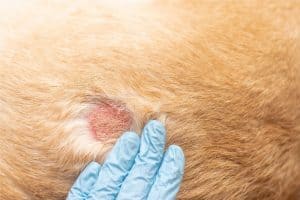
- Red, inflamed patches of skin
- Hair loss in specific areas
- Flaky or peeling skin
- Open sores or hot spots
- Scratching or shaking ears
- Frequent licking (especially the paws)
Secondary infections – when scratching leads to worse problems
When a dog scratches or licks an itchy spot excessively, it can damage the skin’s natural barrier. This makes it easier for bacteria or fungi to enter. These secondary infections often cause more severe symptoms than the allergy itself. Signs may include pus, a foul smell, or pain – and they usually require veterinary treatment.
How to treat allergic dermatitis in dogs
Treatment always depends on what’s causing the inflammation. Start by observing your dog’s symptoms and, if possible, keeping a detailed allergy diary. During the veterinary exam, your vet may recommend:
- Allergy testing (blood or skin test)
- Elimination diet (to identify food allergies)
- Anti-parasitic treatment (especially for fleas)
- Topical care (wound-healing or anti-inflammatory creams)
- Immune-supporting supplements
Why does my dog lick their paws?
Excessive paw licking is often linked to allergies. It may be due to environmental factors (like grass or de-icing salt), contact allergies, or even food sensitivities. Constant irritation and licking can lead to inflammation and painful sores. Washing your dog’s paws with lukewarm water after walks can help reduce reactions.

What you can do at home for dog skin allergy
- Bathe once or twice a week with a hypoallergenic shampoo
- Rinse your dog’s paws with lukewarm water after each walk
- Wash bedding and blankets frequently using hypoallergenic detergent
- Keep an allergy diary to track symptoms, diet, and environmental factors
The importance of an allergy diary
If your dog suffers from allergy-related skin problems, an allergy diary can be one of the most useful tools. It helps you find links between flare-ups and external or internal factors. The more detailed the entries, the easier it becomes to identify the root causes.
Include the following in your allergy diary:
- When scratching or redness occurs
- What your dog ate that day (food, treats, supplements)
- Weather factors (wind, pollen, dryness, humidity)
- New products introduced (shampoo, detergent, toys, bedding)
To help you get started, we’ve created a free downloadable Excel template that makes it easy to record and organize your observations.
Nutrition and dog skin allergy – what really matters
Your dog’s diet has a direct impact on skin health. In case of allergies, it’s best to feed hypoallergenic, single-protein foods and avoid common allergens like chicken, wheat, or soy. Supporting the gut microbiome with probiotics and prebiotics helps balance the immune system, reducing allergic reactions as well.
Stress and scratching – is there a connection?
Many owners don’t realize that dogs can react to stress by scratching or licking. Long-term nervous tension may increase allergic sensitivity. That’s why it’s so important to maintain a balanced daily routine, regular exercise, and provide mental stimulation too.
Medication side effects and natural transitions
Steroids or antihistamines are often used to relieve allergy symptoms. They may reduce itching in the short term, but long-term use can cause side effects like thirst, weight gain, or lethargy. It’s important not just to suppress the symptoms but to gradually phase out medications and support the body with natural alternatives.

Why is omega-3 recommended for dogs with skin allergies?
Omega-3 fatty acids – especially from krill oil – help reduce inflammation, improve skin hydration, and support immune responses. They may also assist in gradually reducing the need for medications. (K9 INUKrill®)
What is a hot spot and how can you recognize it?
A hot spot is a sudden, painful, oozing area of skin, most often triggered by allergic scratching. Hair falls out, and the dog keeps licking or rubbing the spot.
Treatment: trim the fur around the wound, disinfect the area, apply a healing gel, and seek veterinary care if necessary.
When should you take your dog to the vet for a skin allergy?
- If the symptoms last longer than a week
- If the skin is bleeding, oozing, or producing pus
- If your dog is lethargic, has a fever, or seems down
- If scratching interferes with eating or sleeping
Important: scratching is just a symptom – the underlying cause must be addressed for your dog to recover long-term.
Summary – what should you keep in mind?
Dog skin allergy is common but manageable. It’s always worth identifying the root cause – whether it’s food, environmental triggers, or immune overreaction. Early recognition, targeted care, and natural support can help your dog feel good in their skin again. Click here to read about kutya bőrallergia in Hungarian.
More useful reads
If you want to learn more about supporting your dog’s health naturally, be sure to explore related topics. Did you know that omega-3-rich krill oil is not only beneficial for skin but also strengthens the immune system? Or that green-lipped mussel is one of the best natural joint supplements, even for allergic dogs? Don’t miss our article on what your dog really wants from you, or learn more about issues like anal gland problems. And if your dog is facing cancer, our guide on feeding a dog with cancer can help you choose the right nutrients during recovery.
Important: This article is for informational purposes only and is not a substitute for veterinary examination or treatment. Always consult your veterinarian for an accurate diagnosis and appropriate therapy.
References:
- Hensel, P., Santoro, D., Favrot, C., Hill, P., Griffin, C., & et al. (2015). Canine atopic dermatitis: Detailed guidelines for diagnosis and allergen identification. BMC Veterinary Research, 11, 196.
- Marsella, R. (2024). Investigation into the Effects of Allergen Exposure and Skin Barrier Dysfunction in Dogs with Atopic Dermatitis. Veterinary Sciences, 11(10), 459.
- Miller, J., Simpson, A., Bloom, P., Diesel, A., Friedeck, A., Paterson, T., … Wisecup, M. (2023). 2023 AAHA Management of Allergic Skin Diseases in Dogs and Cats Guidelines. Journal of the American Animal Hospital Association, 59.
- Carmona-Gil, A. M., & et al. (2019). Evaluation of Skin Prick-Test Reactions for Allergic Skin Disease in Atopic Dogs and a Healthy Control Group. Frontiers in Veterinary Science.
- Lehtimäki, J., et al. (2020). Simultaneous allergic traits in dogs and their owners are linked to urban living and skin microbiota. Scientific Reports, 10, 79055.

